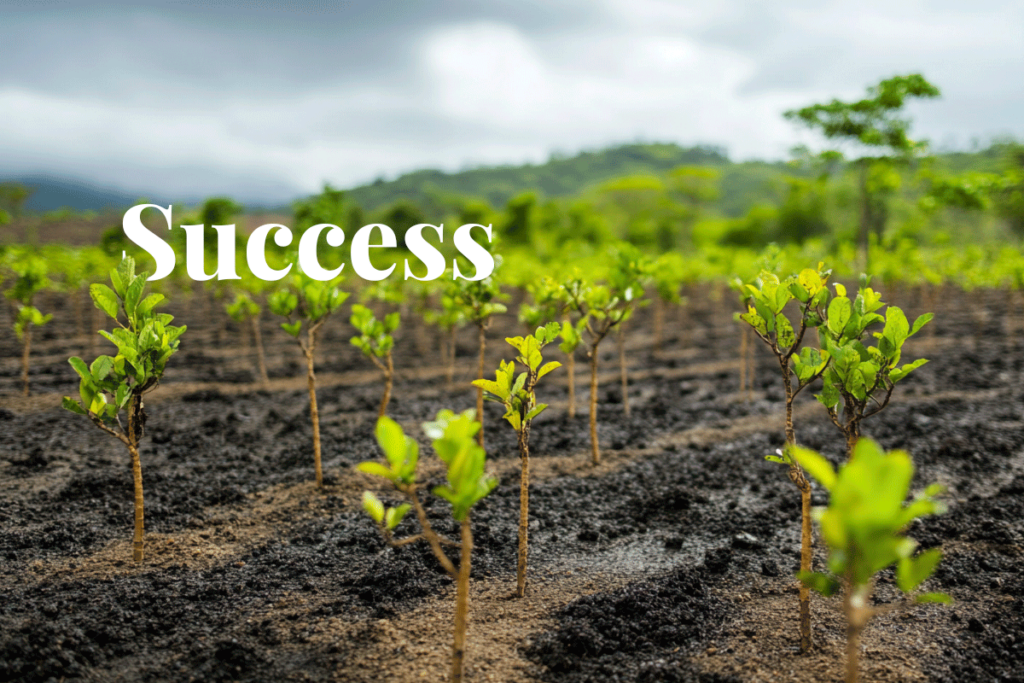
Have you ever wondered what the connection between reforestation and soil health really is? As you dig into this topic, you’ll uncover how these two elements work hand-in-hand to create robust, resilient landscapes.
What Is Reforestation?
Reforestation refers to the process of planting trees on lands that were once covered with forests but have since been converted to other uses, often due to agriculture, logging, or urban development. It’s not just about planting trees randomly but ensuring that the planted trees are native to the ecosystem, beneficial to the environment, and capable of restoring the natural balance.
Importance of Reforestation
Reforestation plays a critical role in combating climate change, maintaining biodiversity, and improving air quality. Trees absorb carbon dioxide, a major greenhouse gas, and store it as biomass. By doing so, they help to mitigate the effects of climate change. Besides, forests act as a habitat for countless species, thus helping to maintain biodiversity. By planting trees, you’re helping to create new habitats and support wildlife.
The Reforestation Process
Reforestation is a detailed, multi-step process that involves planning, selecting suitable tree species, preparing the site, planting the trees, and maintaining them until they are well-established.
| Step | Description |
|---|---|
| Planning | Assessing the area, deciding goals, and aligning resources. |
| Selection | Choosing tree species that are native and suitable for the environment. |
| Preparation | Clearing invasive species, amending the soil, and setting up necessary infrastructure. |
| Planting | Carefully planting young trees or seedlings in appropriate patterns. |
| Maintenance | Watering, weeding, and protecting the new growth from pests and diseases. |
How Does Soil Health Fit In?
Soil health is the foundation of a successful reforestation project. Healthy soil contains the right balance of nutrients, organic matter, moisture, and microbial activity necessary for trees and other plants to thrive. Essentially, the better the soil health, the more successful the reforestation project will be.
Components of Soil Health
A healthy soil ecosystem includes several vital components:
- Physical Structure: The texture, structure, and porosity of soil affect air and water movement, root growth, and microbial activity.
- Chemical Composition: The presence of essential nutrients (like nitrogen, phosphorus, and potassium) in balanced amounts is crucial for plant growth.
- Biological Activity: Beneficial microbes, fungi, insects, and other organisms play a significant role in decomposing organic matter and recycling nutrients.
These components work together to create an environment where plants can thrive, and they are indirectly influenced by reforestation efforts.
Indicators of Soil Health
You can assess soil health using various indicators:
- Soil pH: Measures acidity or alkalinity, influencing nutrient availability.
- Organic Matter: Indicates the amount of decomposed plant and animal material, crucial for nutrients and moisture retention.
- Aggregate Stability: Refers to the soil’s ability to remain clumped together.
- Water Holding Capacity: The ability of soil to retain moisture.
- Microbial Biomass: The living part of organic matter, indicative of microbial activity and health.

The Relationship Between Reforestation and Soil Health
The interplay between reforestation and soil health is symbiotic. Trees impact soil health positively, and in turn, healthy soil ensures the growth and survival of trees.
How Trees Improve Soil Health
Trees contribute to enhanced soil health in multiple ways:
- Organic Matter: Leaves, bark, and other plant parts fall onto the ground and decompose, enriching the soil with organic matter.
- Root Systems: Tree roots help in preventing soil erosion, enhancing soil structure, and increasing its water-holding capacity.
- Microbial Activity: The presence of tree roots encourages microbial activity, essential for nutrient cycling.
- Biodiversity: Trees create an environment that supports various other plants and animals, leading to a more biodiverse and resilient ecosystem.
How Healthy Soil Supports Trees
Healthy soil supports tree growth by:
- Nutrient Supply: Providing essential nutrients in the right quantities and at the right times.
- Moisture Retention: Excellent moisture retention capacity to support root systems, especially during dry spells.
- Root Development: A well-structured soil allows roots to grow deeply and widely, providing stability and access to nutrients and water.
- Disease Resistance: Enhanced microbial activity means stronger resistance to diseases and pests for trees.
The relationship is indeed cyclical: as reforestation improves soil health, healthier soil, in turn, promotes better growth and resilience of trees.
Techniques for Successful Reforestation to Boost Soil Health
Implementing successful reforestation projects requires a combination of techniques aimed at improving soil health. Here are a few strategies to consider:
Agroforestry
Agroforestry involves integrating trees and shrubs into crop and livestock systems. It optimizes the beneficial interactions between trees, crops, and livestock, leading to numerous environmental, economic, and social benefits.
Soil Amendments
Adding compost, manure, green manures, or other organic materials can significantly improve soil structure and nutrient content. This enrichment creates a more favorable environment for trees and other vegetation.
No-Till Farming
No-till farming helps in maintaining the existing soil structure, reducing erosion, and preserving soil organic matter and moisture levels. It’s particularly useful in agricultural lands designated for reforestation efforts.
Cover Crops
Planting cover crops during off-seasons can prevent soil erosion, improve soil structure, and add organic matter. They are often used in tandem with reforestation to maintain soil health in transition periods.
Contour Planting
Planting trees along the contour lines of a landscape helps reduce soil erosion and water runoff, enhancing moisture retention and soil stability.
| Technique | Benefits |
|---|---|
| Agroforestry | Increases biodiversity, enhances nutrient cycling, supports incomes. |
| Soil Amendments | Improves soil structure, boosts nutrient content, supports microbial activity. |
| No-Till Farming | Reduces erosion, preserves moisture and organic matter. |
| Cover Crops | Prevents erosion, improves soil structure, adds organic matter. |
| Contour Planting | Reduces erosion, enhances moisture retention, stabilizes soil. |

Challenges and Solutions in Reforestation and Soil Health
While reforestation has numerous benefits, it also presents several challenges. Understanding these and developing appropriate solutions is crucial for success.
Challenges
- Soil Degradation: Pre-existing soil conditions might be heavily degraded, making it hard for new trees to establish.
- Invasive Species: Non-native species can outcompete native trees and disrupt the reforestation efforts.
- Climate Conditions: Extreme weather conditions can make reforestation efforts challenging.
- Maintenance Costs: Long-term maintenance of reforested areas can be expensive and labor-intensive.
Solutions
- Soil Rehabilitation: Use soil amendments and rehabilitation techniques to improve degraded soils before starting reforestation.
- Invasive Species Control: Implement measures to control or eradicate invasive species before planting trees.
- Climate-Resilient Species: Choose tree species that are resilient to local climate variations and conditions.
- Community Involvement: Engage local communities in reforestation efforts to share maintenance responsibilities and reduce costs.
The Role of Policy and Community in Reforestation
Policy frameworks and community involvement are pivotal in achieving successful reforestation and enhancing soil health.
Policy Frameworks
Governments can provide incentives, subsidies, and guidelines to promote reforestation projects. Policies could include:
- Financial Incentives: Tax breaks, grants, or subsidies for reforestation activities.
- Regulations: Laws to protect existing forests and fund reforestation projects.
- Education: Programs to educate landowners and communities about the importance of reforestation and how to implement it effectively.
Community Involvement
Engaging local communities in reforestation projects ensures sustainable and long-term success. Community involvement can include:
- Awareness Campaigns: Educate communities about the benefits of reforestation and soil health.
- Volunteer Programs: Encourage local participation in planting and maintaining trees.
- Local Governing Bodies: Establish local councils or committees to monitor and manage reforestation projects.

Global Case Studies in Reforestation and Soil Health
Learning from existing reforestation projects across the globe can provide valuable insights and best practices.
Africa’s Great Green Wall
The Great Green Wall is an ambitious reforestation project aimed at combating desertification in the Sahel region. Stretching across numerous countries, it involves planting trees and shrubs to restore degraded lands, improve soil health, and enhance community livelihoods.
China’s Loess Plateau
China’s Loess Plateau faced severe soil erosion and land degradation. Through comprehensive reforestation and soil management techniques, the area has been transformed. Terracing, agroforestry, and soil amendments have played key roles in this restoration project.
Costa Rica’s Forest Restoration
Costa Rica has implemented successful reforestation programs to combat deforestation. Policy frameworks, financial incentives, and community involvement have led to significant increases in forest cover and improved soil health.
| Project | Location | Goals | Key Techniques |
|---|---|---|---|
| Great Green Wall | Sahel, Africa | Combat desertification, improve livelihoods | Tree planting, soil restoration |
| Loess Plateau | China | Restore degraded lands, reduce erosion | Terracing, agroforestry, amendments |
| Forest Restoration | Costa Rica | Combat deforestation, enhance biodiversity | Policy incentives, community involvement |
Future Directions and Innovations in Reforestation and Soil Health
As you look to the future, innovative techniques and technologies promise to make reforestation and soil health maintenance even more effective.
Use of Technology
Technologies like drones for planting seeds and monitoring tree growth, GIS for mapping and planning, and AI for predictive analytics can enhance efficiency and success rates.
Bioengineering
Bioengineering techniques can create resilient plant species and improve soil microbial communities. Biochar, for instance, is a form of charcoal that, when added to soil, improves its structure, water retention, and microbial activity.
Ecological Restoration
Focus on restoring not just trees, but the entire ecosystem. Techniques such as reintroducing key species, restoring wetlands, and creating wildlife corridors are essential for sustainable reforestation.
| Innovation | Description | Potential Benefits |
|---|---|---|
| Technology | Drones, GIS, AI, remote sensing | Increased efficiency, better monitoring |
| Bioengineering | Biochar, resilient plant species, microbial improvements | Enhanced soil health, improved plant growth |
| Ecological Restoration | Wetland restoration, wildlife corridors, species reintroduction | Sustainable ecosystems, biodiversity enhancement |

Conclusion
Reforestation and soil health are intertwined in a cycle that fosters resilient, thriving ecosystems. Each supports the other, creating landscapes that can withstand environmental stressors and support diverse life forms. From selecting the right tree species and improving soil health to involving local communities and leveraging innovative technologies, every step in the process is crucial. As you continue to support and learn about reforestation and soil health, you contribute to creating a healthier, more sustainable planet for future generations.