
As you navigate through the complexities of modern life, it becomes increasingly clear that climate change is not just a distant threat; it is an immediate crisis that demands your attention. The scientific consensus is overwhelming: human activities, particularly the burning of fossil fuels and deforestation, are driving unprecedented changes in the Earth’s climate. You may have noticed the rising temperatures, erratic weather patterns, and more frequent natural disasters that have become part of your reality.
These changes are not merely statistics; they affect your daily life, from the food you eat to the air you breathe. The urgency of climate action is not just a call to arms for environmentalists; it is a necessity for everyone who shares this planet. You might wonder what you can do in the face of such a colossal challenge.
The answer lies in understanding that every action counts, no matter how small. By recognizing the interconnectedness of your choices and their impact on the environment, you can contribute to a collective effort that has the potential to alter the course of our future. The time for complacency has passed; it is now essential to engage in meaningful dialogue and take decisive steps toward sustainability.
The urgency of climate action is not just about preventing future disasters; it is about creating a world where you and future generations can thrive.
Key Takeaways
- Climate action is urgent and necessary to address the impacts of climate change on the planet and its inhabitants.
- Transitioning to renewable energy sources is crucial in reducing greenhouse gas emissions and mitigating climate change.
- Reducing carbon emissions from transportation is essential in combating climate change and improving air quality.
- Protecting and restoring forests is vital for carbon sequestration and biodiversity conservation.
- Promoting sustainable agriculture and food systems is key to reducing emissions and ensuring food security in the face of climate change.
Transitioning to Renewable Energy Sources
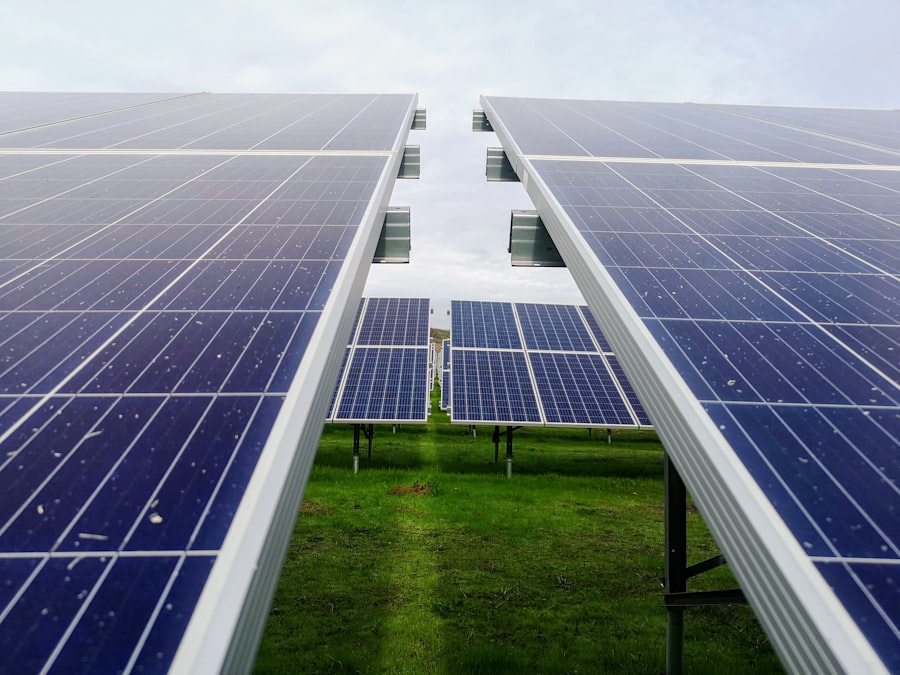
One of the most significant steps you can take in combating climate change is transitioning to renewable energy sources. Fossil fuels have long been the backbone of global energy production, but their environmental costs are becoming increasingly untenable. As you consider your energy consumption, think about how much of it comes from renewable sources like solar, wind, and hydroelectric power.
These alternatives not only reduce greenhouse gas emissions but also offer a sustainable path forward for energy production. By advocating for and investing in renewable energy, you can help shift the paradigm away from fossil fuels and toward a cleaner, more sustainable future. You may also find that transitioning to renewable energy can be economically beneficial.
The cost of solar panels and wind turbines has plummeted in recent years, making them more accessible than ever. By harnessing these technologies, you can reduce your energy bills while contributing to a larger movement toward sustainability. Additionally, supporting policies that promote renewable energy can create jobs and stimulate local economies.
As you explore your options, consider how your choices can influence not only your own life but also the broader community and environment.
Reducing Carbon Emissions from Transportation

Transportation is one of the largest contributors to carbon emissions globally, and as you reflect on your own habits, it becomes clear that there are numerous ways to make a difference. Whether it’s opting for public transportation, carpooling, biking, or walking, each choice you make can significantly reduce your carbon footprint. You might also consider transitioning to electric or hybrid vehicles, which are becoming increasingly popular and accessible.
By making conscious decisions about how you travel, you can play a vital role in reducing emissions and promoting cleaner air. Moreover, advocating for better public transportation systems and infrastructure can amplify your impact. When communities invest in efficient public transit options, they not only reduce individual reliance on cars but also foster a culture of sustainability.
You can engage with local policymakers to support initiatives that prioritize eco-friendly transportation solutions. By taking these steps, you contribute to a larger movement aimed at transforming how we think about mobility and its environmental implications.
Protecting and Restoring Forests
Forests are often referred to as the lungs of our planet, playing a crucial role in absorbing carbon dioxide and producing oxygen. As you consider the importance of forests in combating climate change, it becomes evident that protecting and restoring these vital ecosystems should be a priority for everyone. Deforestation contributes significantly to greenhouse gas emissions, and by advocating for policies that protect existing forests and promote reforestation efforts, you can help mitigate climate change’s effects.
You might also consider how your personal choices impact forests. For instance, supporting sustainable forestry practices and choosing products made from responsibly sourced materials can make a difference. Engaging with local conservation groups or participating in tree-planting initiatives can further amplify your impact.
By fostering a connection with nature and understanding the importance of forests in our ecosystem, you can inspire others to join the fight for their protection.
Promoting Sustainable Agriculture and Food Systems
The way food is produced and consumed has profound implications for climate change. As you reflect on your dietary choices, consider how sustainable agriculture practices can reduce greenhouse gas emissions while promoting biodiversity and soil health. Supporting local farmers who use organic methods or participate in regenerative agriculture can help create a more sustainable food system.
By choosing seasonal produce and reducing meat consumption, you can also lower your carbon footprint significantly. Moreover, advocating for policies that promote sustainable agriculture at the local and national levels is essential. You can engage with community-supported agriculture (CSA) programs or participate in farmers’ markets to support local economies while making environmentally conscious choices.
By educating yourself about food systems and their impact on climate change, you empower yourself to make informed decisions that contribute to a healthier planet.
Investing in Climate Resilience and Adaptation
As climate change continues to manifest through extreme weather events and rising sea levels, investing in climate resilience becomes increasingly critical. You may find that communities around the world are already implementing adaptation strategies to cope with these changes. This could involve enhancing infrastructure to withstand flooding or developing early warning systems for natural disasters.
By supporting these initiatives—whether through advocacy or financial contributions—you play a role in building resilience against climate impacts. Additionally, consider how personal investments can align with climate resilience efforts. Supporting companies that prioritize sustainability or investing in green technologies can contribute to a more resilient economy.
You might also explore opportunities for community engagement in resilience planning efforts, ensuring that local voices are heard in decision-making processes. By taking these steps, you not only protect yourself but also contribute to a collective effort to adapt to an ever-changing climate.
Empowering Communities and Individuals to Take Action
Empowerment is at the heart of effective climate action. As you engage with your community, consider how sharing knowledge and resources can inspire others to take meaningful steps toward sustainability. Organizing workshops or community events focused on climate education can foster a sense of collective responsibility and motivate individuals to act.
By creating spaces for dialogue and collaboration, you help build a network of like-minded individuals committed to addressing climate change. Moreover, consider how grassroots movements have historically driven significant change. By joining or supporting local organizations focused on environmental issues, you amplify your voice and contribute to larger campaigns advocating for policy changes at various levels of government.
Your involvement can inspire others to take action as well, creating a ripple effect that extends far beyond your immediate circle.
Holding Governments and Corporations Accountable for Climate Action
Finally, as an engaged citizen, it is crucial to hold governments and corporations accountable for their role in addressing climate change. You have the power to advocate for policies that prioritize sustainability and demand transparency from those in positions of authority. Engaging with elected officials through letters, phone calls, or public forums can amplify your concerns about climate action—or lack thereof.
Additionally, supporting businesses that prioritize environmental responsibility sends a clear message about consumer expectations. By choosing products from companies committed to sustainable practices, you encourage others to follow suit while pressuring corporations to adopt greener policies. Your voice matters; by demanding accountability from both governments and corporations, you contribute to a larger movement pushing for systemic change that addresses the root causes of climate change.
In conclusion, the urgency of climate action cannot be overstated. As you reflect on your role in this global challenge, remember that every action counts—whether it’s transitioning to renewable energy sources, reducing carbon emissions from transportation, protecting forests, promoting sustainable agriculture, investing in resilience strategies, empowering communities, or holding those in power accountable. Together, through individual actions and collective efforts, we can forge a path toward a more sustainable future for ourselves and generations to come.
If you are interested in learning more about how planting trees can help combat global warming, check out this article on how trees can save the earth from global warming. It provides valuable insights into the crucial role that trees play in mitigating climate change and offers practical steps that individuals can take to contribute to this important cause. By understanding the benefits of planting trees, we can all work towards a more sustainable future for our planet.
FAQs
What is global warming?
Global warming refers to the long-term increase in Earth’s average surface temperature due to human activities, primarily the release of greenhouse gases such as carbon dioxide and methane.
What are the consequences of global warming?
The consequences of global warming include rising sea levels, more frequent and severe extreme weather events, loss of biodiversity, and disruptions to ecosystems and agriculture.
What are the most powerful steps to combat global warming?
The most powerful steps to combat global warming include transitioning to renewable energy sources, improving energy efficiency, reducing deforestation, promoting sustainable agriculture, and implementing policies to limit greenhouse gas emissions.
Why is it important to take climate action now?
It is important to take climate action now because the impacts of global warming are already being felt and will continue to worsen if no action is taken. Delaying action will make it more difficult and costly to mitigate the effects of climate change.
How can individuals contribute to combatting global warming?
Individuals can contribute to combatting global warming by reducing their energy consumption, using public transportation, supporting renewable energy initiatives, reducing waste, and advocating for policies that address climate change.